From icy mornings in Morganton to snow flurries in Statesville, winter in Western North Carolina brings more than just a chill in the air; it brings tough conditions for your roof. Whether you have shingles, metal, or tile, cold-weather roofing demands materials that can stand up to freeze-thaw cycles, snow loads, and slick conditions.
At Infinity Roofing, we’ve worked on every kind of roof imaginable across the Carolinas. If you’re wondering how your roof holds up in winter, or which material is best for long-term material durability, you’re in the right place.
Key Takeaways
- Winter roofing material performance matters more than you think; some roofs hold up better in freezing temps than others.
- We’ll break down how asphalt, metal, slate, and other materials handle snow, ice, and stormy weather.
- You’ll walk away with helpful info to make smart decisions for your home this winter and year-round.
If you’re unsure about your current roof’s condition, schedule your free inspection with Infinity Roofing. We’ll take it from there.
Breaking Down Winter Roofing Material Performance by Type
Let’s talk about what winter roofing material performance actually means. It comes down to how well a roof resists cold-weather damage, like cracking, warping, or letting water sneak in during freeze-thaw cycles. In Western NC, where temps swing between sunny afternoons and icy nights, your roofing material really gets put to the test.
Here’s why this matters:
- Freeze-thaw cycles cause trapped moisture to expand and contract, stressing roofing materials over time.
- Heavy snow adds weight, especially dangerous on older or low-pitch roofs.
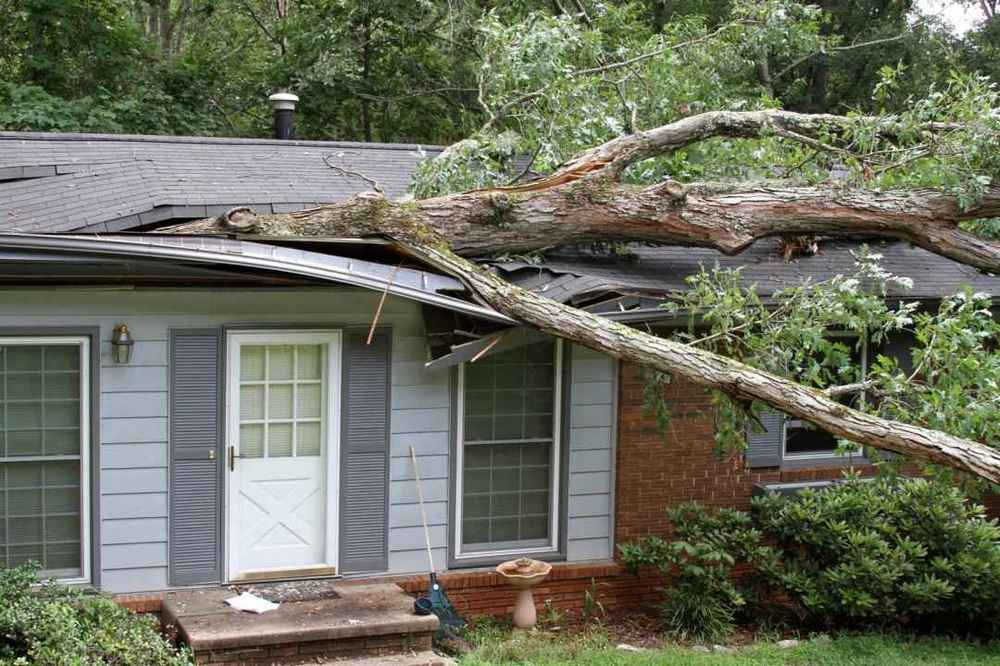
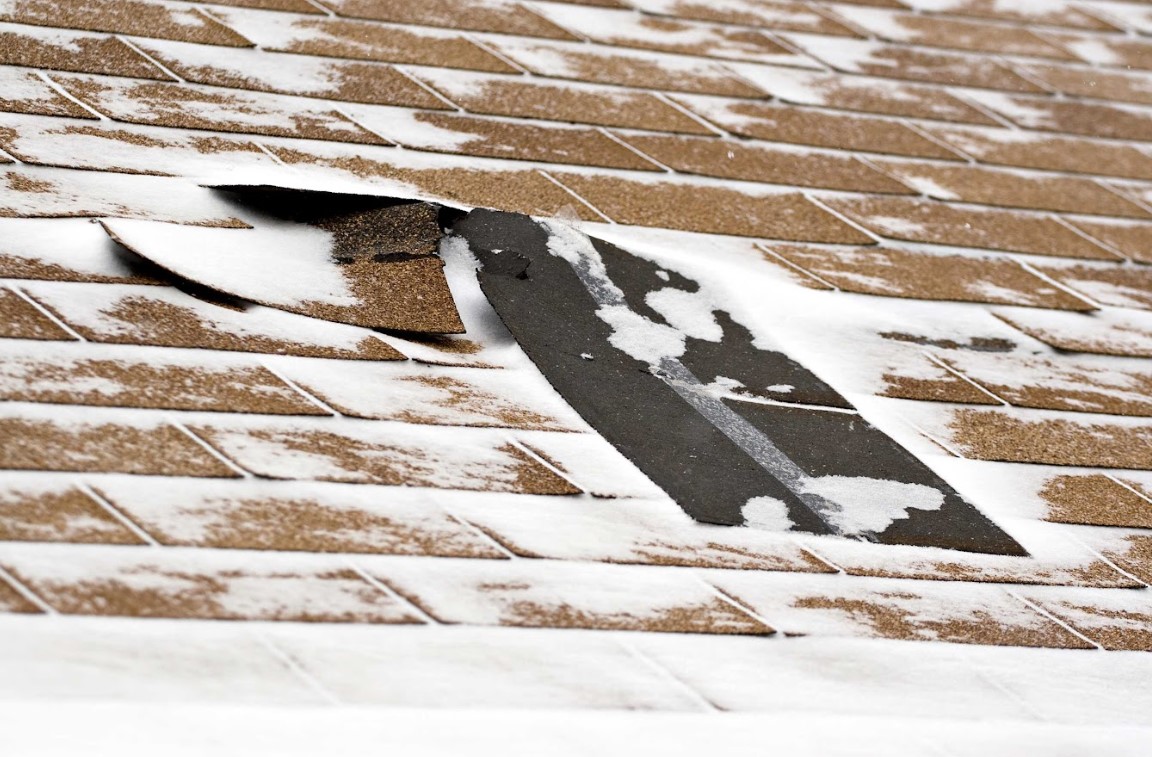
- Wind, hail, and ice dams can strip away shingles or force water under your roof.
The bottom line? Not all roofing materials handle these conditions equally. Some buckle under pressure (literally), while others take it in stride. Knowing the difference helps you make the best call for your home.

Important Factors to Consider Before Choosing Cold-Weather Roofing
If you’re thinking about a replacement, or just curious if your roof will hold, here are five questions worth asking:
Budget: What Can You Comfortably Afford?
Some materials cost more upfront (like metal or slate), but pay off over time with fewer repairs. Others are more budget-friendly to install, like asphalt shingles, but may need replacing sooner.
Snow Load: Can Your Roof Handle the Weight?
Homes in Kings Mountain or Boone might see heavier snow than Charlotte or Gastonia. Make sure your framing and roofing system can carry that winter burden without sagging or shifting.
Longevity: How Long Do You Want This Roof to Last?
Metal roofs can last 40+ years and handle winter like a champ. Asphalt shingles usually top out around 20-25 years, especially with strong seasonal swings.
Warranty and Installation: What’s Covered?
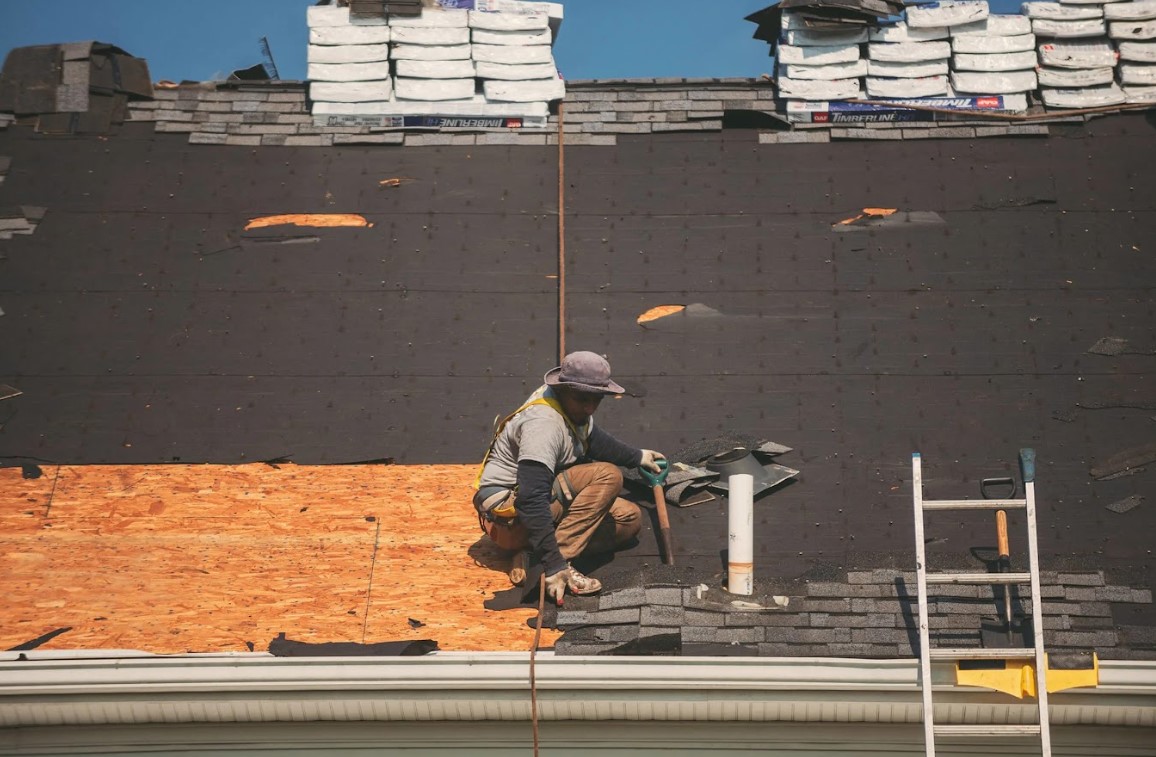
Some roofing systems lose warranty coverage if they’re installed in low temperatures or if certain steps are skipped. Always choose an installer (like Infinity Roofing) who knows cold-weather roofing inside and out.
Maintenance: Are You Prepared for Seasonal Upkeep?
No matter what roof you choose, you’ll need to keep it clear of leaves, debris, and heavy snow. Some materials require more frequent attention, others are pretty low-maintenance.
Comparing Common Roofing Materials in Cold Climates
Not all roofing materials are created equal in winter. Here’s a quick guide to how each one handles the cold, and what it means for you.
Asphalt Shingles: Affordable, But Vulnerable
Asphalt is popular for a reason; it’s budget-friendly and easy to install. But in winter?
- It can crack or warp during freeze-thaw cycles
- Granules wear faster when the snow sits too long
- Cold temps can make it brittle during install
If your shingles are older or curling, winter may hit them harder than you expect.
Metal Roofing: Durable and Winter-Ready
Metal roofs are some of the best performers in the winter months.
- Snow slides off easily, preventing buildup
- Less risk of ice dams
- Highly resistant to wind and hail
Plus, they hold up for decades and require minimal maintenance, especially important if you don’t want to be up on a ladder every season.
Slate Roofing: Beautiful, But Fragile
Slate adds elegance and long-term durability, but it comes at a cost.
- Natural slate is heavy and brittle
- Freeze-thaw can cause cracks
- Not ideal for all roof structures unless reinforced
For older homes with strong framing, synthetic slate may offer a better mix of material durability and winter performance.
Wood Shakes: Charming, But High Maintenance
Wood roofs look great on historic homes, but winter is tough on them.
- Moisture causes swelling, cracking, and rot
- Snowmelt can lead to mold if not ventilated properly
- Frequent upkeep is needed to stay ahead of problems
Unless you’re ready for regular upkeep, wood might not be the best cold-weather fit.
Winter Roofing Performance: What Sets Strong Materials Apart
Energy Efficiency in Cold Weather
Metal roofs reflect heat in summer, but in winter, they retain warmth surprisingly well when paired with good insulation. This helps regulate indoor temps and reduce heating costs.
Resistance to Ice Dams
A properly installed roof with good ventilation, drainage, and material choice can stop ice dams from forming, saving you thousands in water damage.
Wind and Impact Ratings
Materials like metal and composite shingles often carry Class 4 impact ratings and high wind warranties, key if your home is exposed to open fields, tree limbs, or storm systems.
Warranties That Stand Up to the Season
GAF and other leading manufacturers may limit warranties based on installation temperature or methods. Choosing the right material and the right team helps you stay covered.
Which Roof Handles Winter Best? Here’s What to Watch For
When you’re weighing material options, here’s what to keep top of mind:
- Freeze resistance: Will it crack or split?
- Snow shedding: Can it handle buildup?
- Moisture defense: How does it manage water entry?
- Wind/hail durability: Is it tested and rated?
- Warranty support: Does it stay valid in cold conditions?
Need help figuring it out? We’re just a call away.