As the sun-soaked days of July and August begin to shift toward crazy, unpredictable weather patterns, late summer storm prep becomes essential for homeowners across North Carolina. While the heat still lingers, thunderstorms, tropical systems, and even remnants of hurricanes can blow through with little warning, often leaving costly roof damage in their wake.
With peak storm activity hitting just as many people are squeezing in final summer vacations, it’s easy to overlook what your home might be vulnerable to. That’s why now is the ideal time to get proactive with storm roof preparation before wind, rain, and falling debris cause problems you could have avoided.
Here’s your ultimate guide, packed with North Carolina roofing tips to help ensure your roof is storm-ready and your home is protected when the weather turns wild.
Key Takeaways
- Inspect shingles and flashing for damage or wear.
- Clean and secure gutters to ensure proper drainage.
- Check attic ventilation and insulation for moisture or heat issues.
- Trim overhanging branches and secure loose roof items.
- Reinforce roof structure with hurricane ties if needed.
- Apply roof coatings to protect against heat and storms.
- Document your roof and keep emergency supplies on hand.
How To Prepare Your Roof For Late Summer Storms in North Carolina
Preparing your roof for summer storms doesn’t need to be a chore! Here’s how you can make sure your roof and home are protected.
Inspect Shingles, Flashing, and Roof Structure
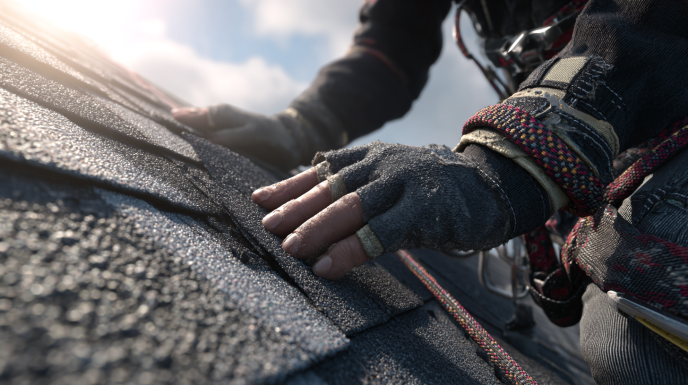
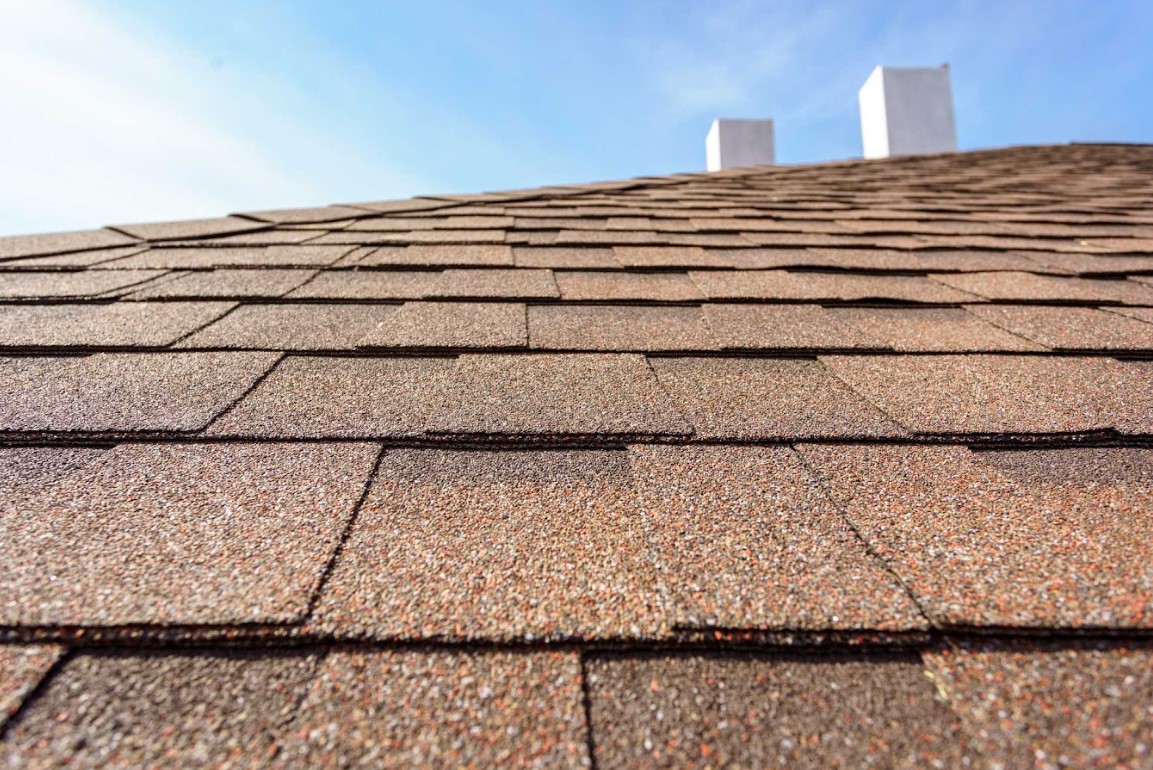
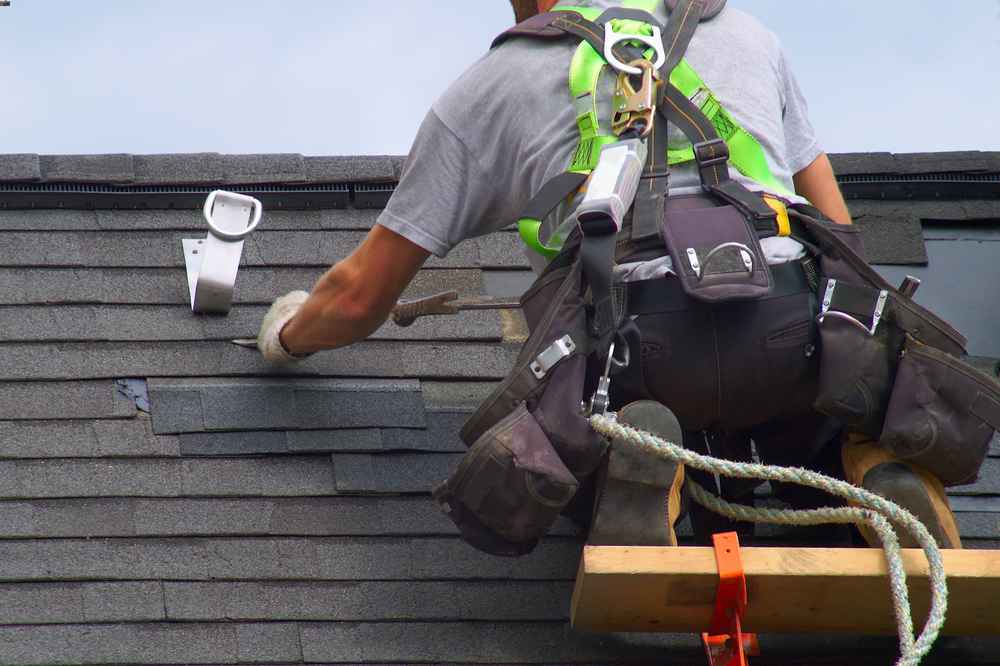
The shingles on your roof are the first line of defense against storm damage, and they’re only effective if they’re intact.
Start by visually inspecting your roof for:
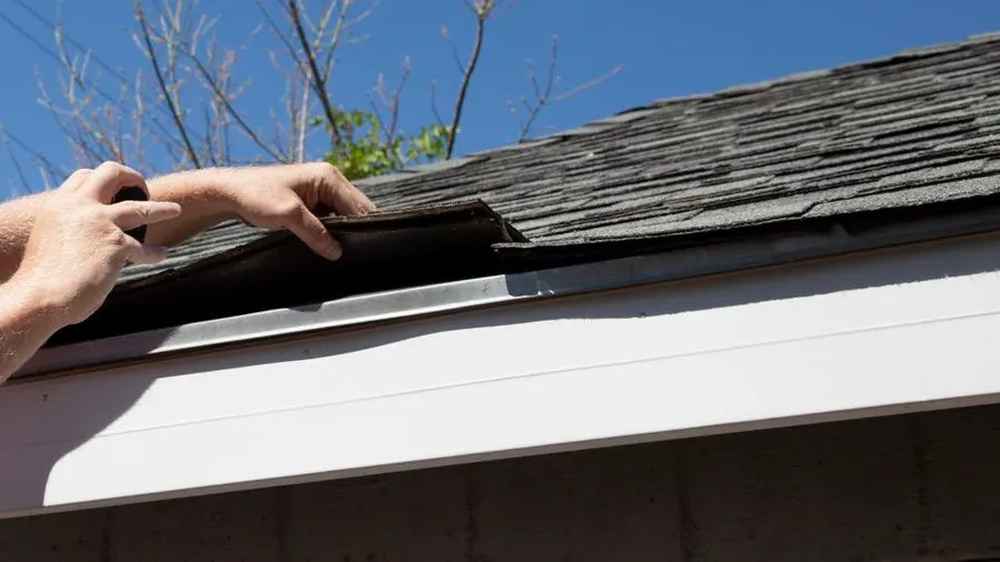
- Loose or missing shingles: These are weak spots where water can easily enter. Replace any compromised shingles before storms hit.
- Curling or buckling: Often caused by heat and age, these deformations reduce a shingle’s ability to seal and protect.
- Loss of granules: If you find granules in gutters or at downspouts, it may indicate deteriorating shingles that need attention.
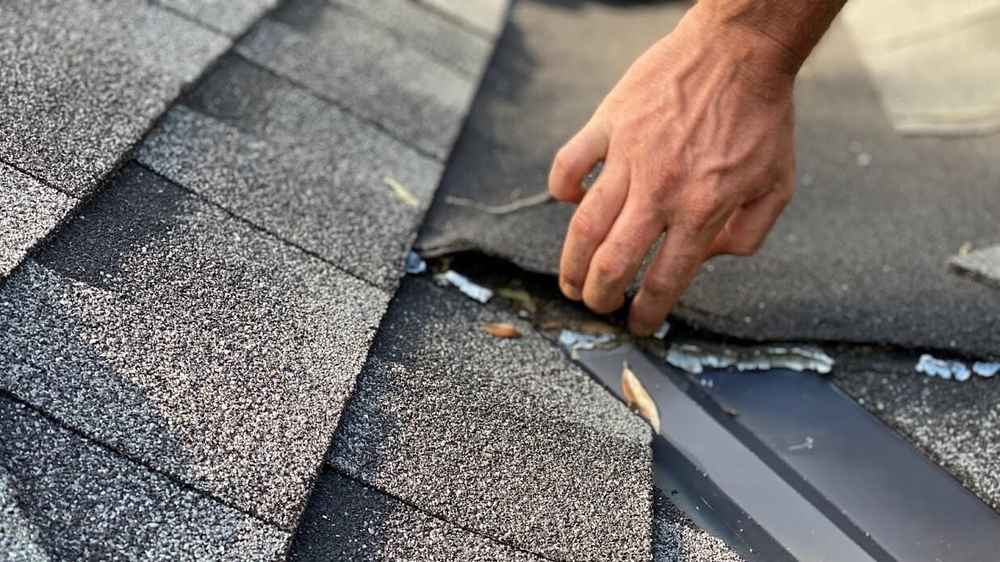
Don’t stop at the shingles, either. Check all roof penetrations, including chimneys, vents, and skylights. Ensure the flashing is sealed and corrosion-free, and that weatherproofing materials like caulking or rubber boots haven’t cracked or worn down.
If you notice sagging areas in your roofline or uneven dips, that could indicate a structural issue beneath the surface, possibly from past water damage or framing weakness. These areas should be evaluated by a professional immediately.
Pro Tip: If you’re not comfortable climbing on your roof or suspect hidden damage, schedule a free professional inspection to get a full assessment.
Clean and Secure Gutters and Downspouts
Many people don’t even think about their gutters when getting ready for storms. But clogged gutters can cause big problems. In late summer, leaves, twigs, pollen, and even bird nests can block water from flowing.
When gutters are blocked, water can back up and leak into your roof or home.
Use this simple checklist to get your gutters ready:
- Clean out leaves, sticks, and roof granules.
- Make sure downspouts are clear and move water at least 5 feet away from your home.
- Tighten any loose brackets so the gutters stay in place.
- Check that splash blocks or pipes are guiding water away from your house to avoid flooding.
You might also want to add gutter guards to stop debris from getting in and save time on cleaning.
Check Attic Ventilation and Insulation
Good attic airflow and insulation help protect your roof during storms. Too much heat or moisture in the attic can damage the roof, cause shingles to bend, and lead to mold.
To get your attic ready for late summer:
- Make sure vents aren’t blocked by insulation or dirt.
- Look for damp spots, wet insulation, or water around wooden beams.
- Use a stick of incense to see if air flows properly through vents.
- Check insulation for wetness, flattening, or if it’s out of place.
Trim Overhanging Branches
With many North Carolina homes surrounded by oak, pine, and maple trees, falling limbs are one of the most common sources of storm-related roof damage. Even healthy trees can drop branches during high winds, while unhealthy or leaning ones may fall entirely.
For effective late summer storm prep, walk around your home and:
- Trim branches that extend within 6 feet of your roof.
- Remove dead or dying limbs and overgrown shrubs near your home’s structure.
- Consult a professional arborist for large or risky tree removals.
Not only does this reduce the risk of physical impact, but it also limits how much organic debris ends up in your gutters.
Secure Loose Roof Fixtures and Objects
Have a satellite dish, solar panels, or decorative weathervane? What about rooftop holiday lights or old brackets? These objects may become flying debris and cause damage during a storm if not properly secured.
Be sure to:
- Tighten all fasteners and brackets on fixtures.
- Remove non-permanent objects or décor.
- Inspect solar panel mounts to ensure they’re wind-rated and properly bolted down.
If you’re unsure about the safety of your roof-mounted installations, a roofing contractor can inspect and secure them during your professional inspection.
Reinforce Roof Connections (If Needed)
For homes in coastal or high-wind zones of North Carolina, especially near the Outer Banks or inland storm corridors, reinforcing your roof structure can be a wise investment.
Here’s what you can consider:
- Hurricane ties or clips: These secure roof trusses to the wall framing and resist uplift in extreme winds.
- Deck-to-truss reinforcement: Using ring-shank nails or roof adhesive to increase connection strength.
- Secondary water barriers: Underlayment like synthetic felt or ice-and-water shield can protect decking from leaks if shingles fail.
While not necessary for every home, these upgrades can help you meet wind codes and reduce insurance premiums.
Apply Reflective or Waterproof Coatings
North Carolina roofs take a beating from UV rays and high humidity. Applying roof coatings can help extend their life while increasing storm resistance.
Reflective coatings reduce surface temperature and limit thermal cycling damage. Elastomeric coatings add a flexible waterproof layer that seals minor cracks and protects against water intrusion.
These treatments are ideal for metal roofs, flat roofs, and aging asphalt systems. They’re best applied during dry weather, making late summer the perfect window.
Keep Emergency Supplies on Hand
Despite doing all the hard preparation work, there’s still a chance the storm’s going to cause damage. Having a small emergency kit on standby can help you temporarily manage issues until a professional can respond.
Stock up on:
- Heavy-duty tarp and nails
- Flashlights and extra batteries
- Roofing cement or sealant
- Hammer and basic tools
- Contractor or insurance contact information
Bonus Tip: Take “before” photos of your roof now. If storm damage occurs later, you’ll have valuable documentation for your insurance claim.
Schedule a Professional Inspection
There’s no substitute for an expert eye. A qualified roofing contractor can spot signs of wear, damage, or vulnerability that a homeowner might miss.
A professional storm roof preparation service often includes:
- Full shingle and flashing inspection
- Attic ventilation and insulation evaluation
- Gutter system check
- Structural and drainage assessments
- Recommendations for improvements or repairs
If your roof is over 10 years old, or if you’ve recently experienced high winds, hail, or visible damage, don’t wait.
Don’t Wait, Protect Your Roof Before the Next Storm
Every year, North Carolina homeowners file thousands of claims for storm-related roof damage. With unpredictable weather becoming more common, the smartest thing you can do is get ahead of it.
By taking these proactive steps and following these proven North Carolina roofing tips, you can increase your roof’s durability, protect your home’s interior, and prevent costly repairs later. From shingle inspections and gutter cleaning to attic checks and reinforcements, late summer storm prep is all about protecting what matters most.
Schedule Your Free Roof Inspection Today
Infinity Roofing is proud to serve North Carolina homeowners with integrity, professionalism, and GAF-certified expertise. Whether you need a full inspection, minor repairs, or a full replacement, we’re here to help you weather the storm season with confidence.
Contact us today to schedule your free inspection and make sure your roof is ready before the next storm hits.