A storm rolls through, and suddenly you’re spotting shingles in the yard or a stain on the ceiling. The first instinct is to call insurance, but that’s not always the right first move.
The roof insurance claim process can help when damage is real and covered, but it also comes with rules, deadlines, and fine print. Knowing what to do before filing can protect your home and your wallet.
At Infinity Roofing, we help Western North Carolina homeowners make sense of storm damage with honest inspections and clear guidance. If you’re dealing with a storm damage insurance claim, we’ll walk you through it, no pressure, just answers.
Key Takeaways
- Not every issue should become a claim; small repairs below your deductible may not be worth filing
- A professional inspection strengthens your roof damage insurance claim far more than photos alone
- Understanding your policy before filing helps avoid delays, denials, and surprise costs
If you think your roof may have storm damage, schedule your free inspection with Infinity Roofing. We’ll take it from there.
How The Roof Insurance Claim Process Actually Works
Many homeowners assume insurance covers any roof problem after a storm. That’s not always the case.
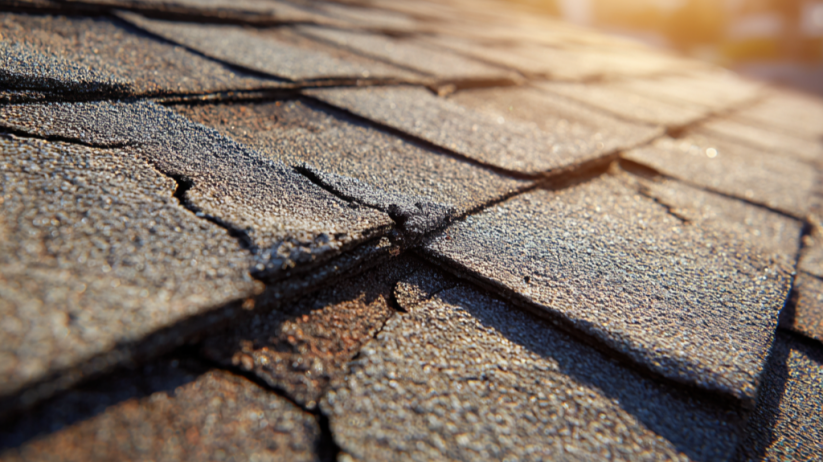
Insurance is designed for sudden and accidental damage, like wind, hail, or falling debris. It typically doesn’t cover aging shingles, long-term wear, or poor installation.
That’s where confusion happens. If your roof was already worn out, the insurer may say the issue wasn’t storm-related. That can impact whether your roof damage insurance claim gets approved at all.
It also matters how your policy pays:
- Some policies pay depreciated value (ACV)
- Others pay full replacement cost (RCV) after work is complete
Deadlines matter, too. Waiting too long to file a storm damage insurance claim can make it harder to prove what caused the damage.
That’s why the smartest first step is simple: get a professional inspection before filing roof claim paperwork.
What To Check Before Filing A Roof Insurance Claim
Before calling your insurance company, take a step back and look at the bigger picture.
- Deductible: If repairs cost less than your deductible, filing may not help
- Damage Type: Insurance looks for storm-related damage, not normal aging
- Documentation: Photos, notes, and inspection reports strengthen your claim
- Timing: Filing quickly matters, especially after major storms
- Contractor Support: A local expert helps explain damage clearly to adjusters
You don’t have to figure this out alone. Infinity Roofing provides honest inspections so you know whether filing roof claim paperwork makes sense.
Step-By-Step: The Roof Insurance Claim Process
If damage is real and worth filing, here’s what to expect:
Step 1: Check Your Roof Safely
Look from the ground for missing shingles, debris, or interior stains. Don’t climb up; safety comes first.
Step 2: Schedule A Professional Inspection
This is key. A contractor can spot hidden damage that homeowners often miss.
Step 3: Review Your Policy
Know your deductible and whether you have ACV or RCV coverage before filing.
Step 4: File The Claim
Provide photos, a timeline, and inspection findings to start your roof insurance claim process.
Step 5: Meet The Adjuster
Your insurance company will inspect the roof. Having your contractor present helps ensure nothing gets overlooked.
Step 6: Review The Settlement
Check that all damage is included. Missing items can lead to out-of-pocket costs later.
Step 7: Complete Repairs
Once approved, repairs or replacement begin. Keep all documentation until the claim is closed.
Common Mistakes To Avoid When Filing Roof Claims
Even good claims can go sideways with simple mistakes:
- Filing without confirming real storm damage
- Waiting too long after the storm
- Assuming every leak is covered
- Skipping a detailed review of the insurance estimate
- Hiring out-of-town “storm chasers” instead of local contractors
A steady, informed approach leads to better outcomes.
The Smart Way To Handle A Roof Insurance Claim
Before filing, make sure you know:
- The damage is real
- The damage is likely covered
- The repair cost exceeds your deductible
That’s where a trusted inspection makes all the difference. We’ll tell you what we see and whether filing a storm damage insurance claim is actually worth it.
No guesswork. No pressure. Just clear guidance.