When a strong storm rolls through Shelby or Gastonia, most of us step outside to check the yard. We look for fallen limbs, scattered trash cans, maybe a few shingles in the grass. But what about your storm-damaged roof?
In North Carolina, wind, hail, and heavy rain can cause hidden damage that doesn’t show up right away. Knowing the early roof storm-damage signs can help you avoid leaks, mold, and expensive repairs later.
At Infinity Roofing, we’ve helped homeowners across Western NC navigate storm-damage with calm guidance and clear next steps. Here’s what you need to know.
Key Takeaways
- Storm damage roof issues are often subtle, and missing shingles aren’t the only warning sign.
- Storm damaged shingles and flashing problems can lead to hidden leaks weeks after a storm.
- A professional roof storm inspection protects your home and strengthens your insurance claim.
If your home was recently hit by high winds or hail, schedule your free inspection with Infinity Roofing. We’ll take it from there.

How A Storm Damage Roof Actually Happens In Western NC
A storm-damage roof isn’t just about shingles blowing off after a big wind event. In Western North Carolina, storms usually bring a mix of wind, hail, and heavy rain, all working together to slowly weaken your roofing system.
Understanding how that damage happens helps you spot roof storm-damage signs early, before they turn into leaks or costly repairs.
Wind Uplift: The Damage You Can’t Always See
Wind doesn’t have to rip shingles completely off your home to cause problems.
When strong gusts move across your roof, they create pressure that lifts shingles slightly. This is called wind uplift. Even a small lift can break the adhesive strip underneath the shingle.
Once that seal is broken:
- Shingles no longer sit flat and secure
- Future storms can lift them more easily
- Water can work its way underneath
You might not see anything missing from the ground. But those loosened shingles are now vulnerable, and the next storm can finish the job.
Hail Impact: Bruising Without Cracking
Hail damage isn’t always dramatic. You don’t need golf-ball-sized hail for problems to start.
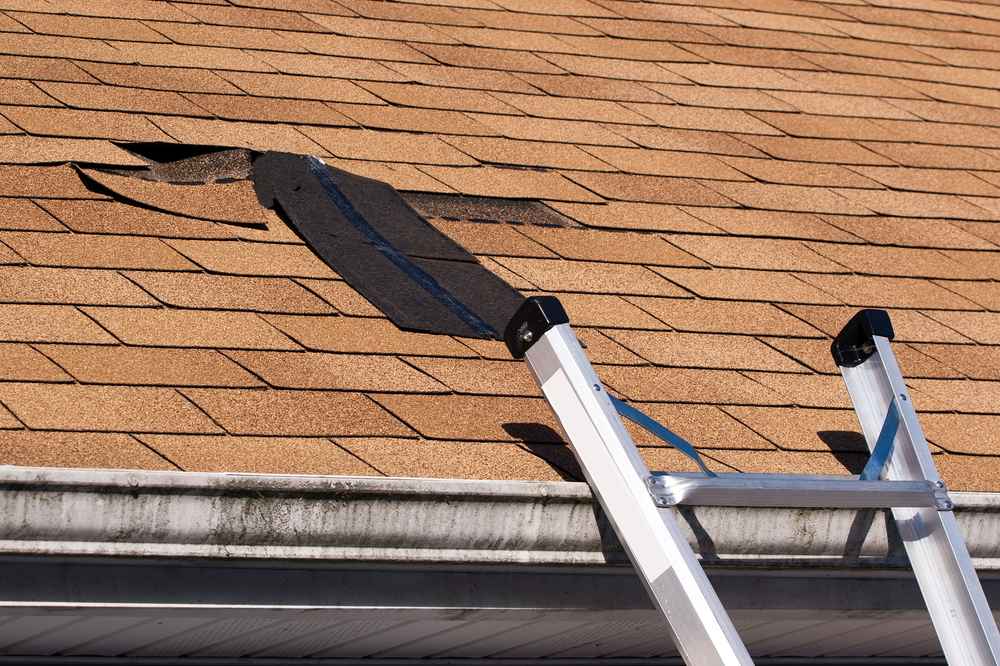
In many cases, hail leaves behind bruised shingles. These are soft spots where the impact crushed the shingle’s internal structure without cracking the surface.
From the street, everything may look fine. But up close, storm-damaged shingles may show:
- Small dents or dark spots
- Granule loss in concentrated areas
- Weak spots that feel spongy
Those granules are your roof’s first defense against UV rays and water. Once they’re knocked loose, the shingles age faster and lose roof material durability.
Heavy Rain: Water Finds The Smallest Openings
Heavy rain by itself isn’t usually the problem. The issue happens when rain follows wind or hail damage.
Once shingles are lifted or flashing is loosened, water has an entry point.
The most vulnerable areas include:
- Chimney flashing
- Plumbing vent boots
- Roof valleys
- Skylight edges
- Wall-to-roof transitions
Water doesn’t always show up immediately inside your home. It can soak into the decking (the wood under your shingles) and insulation first. Weeks later, you may notice a ceiling stain, and by then, the damage has already spread.
That’s why a professional roof storm inspection is so important after severe weather.
Debris Impact: Branches, Limbs, and Flying Objects
Western NC has plenty of tree cover. During storms, branches and debris can strike your roof at high speed.
Even small impacts can:
- Crack shingles
- Loosen flashing
- Dent metal components
- Damage gutters
Sometimes debris doesn’t puncture the roof but weakens the area enough that it fails later.
After storms in areas like Hickory, Denver, or Shelby, it’s common to find subtle impact damage that homeowners wouldn’t notice without a close inspection.
Temperature Swings Make It Worse
Western North Carolina weather doesn’t stay consistent. A warm, humid afternoon can quickly turn into a cool, wet evening.
These temperature shifts cause roofing materials to expand and contract. When shingles are already weakened by storm-damage, that expansion makes cracks and lifted edges worse.
Over time, minor storm-damage roof issues compound into:
- Curling shingles
- Seal failure
- Premature aging
- Interior leaks
That’s why how long roofs last in our region often depends on how quickly storm-damage is addressed.
Why Storm Damage Isn’t Always Immediate
One of the biggest misconceptions about storm-damage is that it shows up right away.
In reality:
- A seal may break today
- Moisture may enter next week
- Interior staining may appear a month later
Western NC storms are unpredictable. A short, intense thunderstorm in Cherryville or Morganton can cause just as much damage as a long system that rolls through overnight.
That’s why recognizing roof storm-damage signs early, and scheduling a roof storm inspection, matters so much.
Catching issues early helps you protect your investment, avoid major repairs, and keep your roof built to last.
Important Steps To Take After A Storm Damage Roof Event
When a storm rolls through Western NC, it’s natural to want to climb up and see what happened. But before you grab a ladder, take a breath. Your safety comes first, and there’s a smarter way to approach a storm-damage roof situation.
Here’s how to handle it safely, calmly, and correctly.
Start With A Ground-Level Check
You don’t need to be on your roof to spot the first roof storm-damage signs.
Walk slowly around your home and look for:
- Shingles in the yard
- Pieces of flashing or metal
- Bent, loose, or detached gutters
- Debris resting on the roof
- Dark patches or uneven roof lines
Storm-damaged shingles often show curling, creasing, cracking, or missing granules. Even if shingles are still attached, lifted edges can mean the adhesive seal underneath has failed.
If you see anything suspicious, resist the urge to climb up. Storm-damaged roofs can be unstable and slippery.
Check Your Attic For Hidden Issues
Some of the most serious problems don’t show up outside.
Head into your attic with a flashlight and look for:
- Damp or compressed insulation
- Water stains on rafters or decking
- Dark streaks along wood framing
- Daylight coming through roof boards
Even small leaks can turn into mold or structural damage if ignored. Western NC humidity makes moisture problems worse, especially after heavy rain.
If you notice musty smells or dampness, that’s your cue to schedule a roof storm inspection right away.
Document Everything Before It Changes
Storm damage can shift or worsen over the next few days.
Before you clean up debris or move anything, take clear photos of:
- Missing or damaged shingles
- Gutter damage
- Fallen tree limbs
- Interior water stains
- Ceiling discoloration
Make sure your photos include wide shots of the entire roofline and close-ups of specific areas. This documentation is critical if you need to file an insurance claim.
Good records make the claims process smoother and protect your investment.
Don’t Perform DIY Repairs
It’s tempting to patch something quickly with sealant or tarp.
But temporary fixes done incorrectly can:
- Void your roof warranty
- Create additional water traps
- Complicate insurance claims
- Put you at risk of injury
Storm-damaged shingles may look simple to replace, but underlying decking or flashing damage may not be visible without proper training.
Roofing work is one of the most dangerous home repairs. Leave it to professionals.
Schedule A Professional Roof Storm Inspection
This is the most important step after a storm-damage roof event.
A trained eye can spot:
- Lifted shingles with broken seals
- Flashing separation around vents and chimneys
- Soft decking beneath shingles
- Hail bruising not visible from the ground
- Granule loss that weakens roof material durability
A professional roof storm inspection provides:
- Accurate damage assessment
- Clear repair vs. replacement recommendations
- Written documentation for insurance
- Protection of your manufacturer’s warranty
This step gives you clarity and peace of mind.
Understand Your Insurance Options
If storm-damage is confirmed, your contractor can help you understand your next move.
Before filing a claim:
- Review your deductible
- Confirm coverage for wind and hail
- Gather your documentation
A reputable, local contractor will walk you through the process. They won’t promise unrealistic results or pressure you into unnecessary work.
Choose A Licensed, Local Roofing Company
If you’re unsure who does commercial roofing in my area or residential storm repair, start with these basics:
- Licensed and insured in North Carolina
- Local office and verifiable address
- Experience with Western NC weather patterns
- Clear warranty and workmanship guarantees
Avoid storm chasers who show up right after severe weather and disappear weeks later.
Working with a local company means:
- Accountability
- Ongoing support
- Familiarity with regional building codes
- A team that understands our unpredictable mountain weather
What To Expect During Roof Replacement Steps After Severe Storm Damage
If your storm-damage roof requires more than minor repairs, a full replacement may be the safest long-term solution. Knowing the roof replacement steps ahead of time helps remove uncertainty and makes the process feel manageable.
Here’s what the roof installation process typically looks like after severe storm-damage in Western NC.
1. Inspection & Detailed Documentation
Everything starts with a thorough roof storm inspection.
We don’t just look for missing shingles. We check for:
- Lifted shingles with broken adhesive seals
- Hail bruising and granule loss
- Flashing separation around vents and chimneys
- Soft decking beneath the surface
- Moisture intrusion in the attic
You receive clear photos, written findings, and honest recommendations. No pressure. Just facts.
This documentation becomes essential for insurance and protects your long-term roof lifespan by ensuring nothing gets overlooked.
2. Insurance Assistance & Claim Support
Storm claims can feel confusing. That’s where guidance matters.
If your storm-damaged roof qualifies for a claim:
- We meet with your insurance adjuster
- Provide detailed photos and inspection reports
- Help explain the full scope of damage
- Ensure all roof storm-damage signs are properly documented
We don’t promise unrealistic outcomes. We advocate for accuracy and transparency so you understand exactly what’s covered.
3. Material Selection For Western NC Weather
Once approved, we help you choose materials designed for local conditions.
In our region, wind resistance and roof material durability matter. We often recommend:
- Architectural asphalt shingles rated for high wind
- Impact-resistant shingles for hail-prone areas
- Systems with enhanced underlayment protection
We explain how long roofs last with each option so you can make an informed decision based on your budget and long-term goals.
You’ll never be pushed toward something you don’t need.
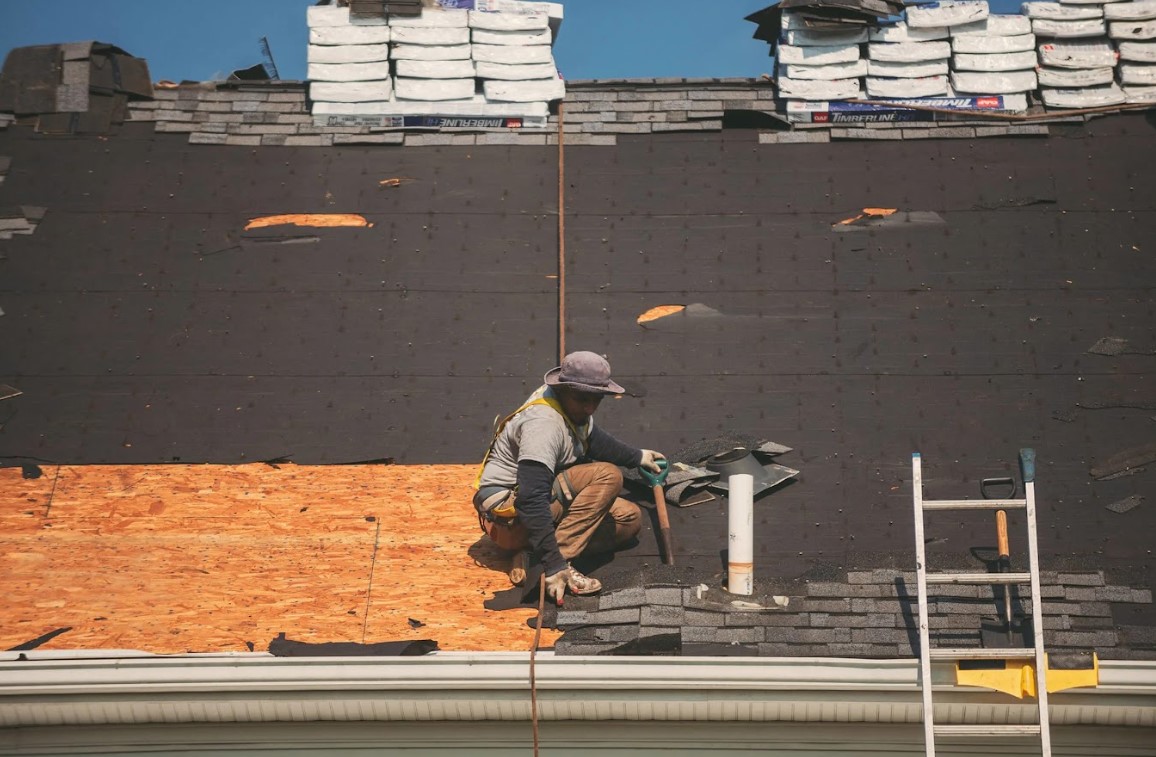
4. Tear-Off & Decking Inspection
This is where hidden damage often shows up.
We remove all old roofing materials to expose the decking underneath. Storm-damaged shingles can conceal:
- Water-softened wood
- Hidden rot
- Nail fatigue
- Moisture damage
If decking is compromised, we replace it before moving forward. A strong foundation ensures your new roof’s lifespan isn’t shortened by unseen issues.
5. Proper Installation To Meet Local Codes
Next comes the actual roof installation process.
This includes:
- Installing high-quality synthetic underlayment
- Ice & water shield in valleys and vulnerable areas
- Proper flashing around penetrations
- Wind-rated shingle placement
- Code-compliant fastening
Everything is installed to meet North Carolina building codes and manufacturer specifications.
This isn’t just about shingles. It’s about creating a storm-tested system built to last.
6. Clean-Up & Final Walkthrough
We treat every property like it’s our own.
After installation:
- Debris is removed
- Nails are magnetically swept
- Landscaping is respected
- Gutters are cleared
Then we walk the property with you, review warranty coverage, and answer any questions.
We keep the roofing timeline clear from start to finish so you always know what to expect during roof replacement.
The Hidden Risks Of Ignoring Roof Storm Damage Signs
It’s easy to think, “If it’s not leaking, it’s fine.”
Unfortunately, that’s rarely true.
Storm damage roof issues often start small and worsen quietly over time.
Moisture Can Enter Before You See It
Unrepaired storm-damaged shingles allow moisture to seep into:
- Roof decking
- Underlayment
- Insulation
By the time a ceiling stain appears, the damage may already be significant.
Roof Lifespan Shortens Dramatically
Broken seals and granule loss reduce roof material durability.
When shingles can’t properly shed water, your roof’s lifespan decreases. What should last 25 years may last far less.
Energy Bills Can Increase
Storm-damaged roof systems often lose insulation efficiency.
Air escapes through lifted shingles and compromised underlayment. That forces your HVAC system to work harder.
Higher energy bills are sometimes the first hidden sign of trouble.
Interior Damage Becomes Expensive
Unchecked storm-damage can lead to:
- Ceiling stains
- Drywall damage
- Mold growth
- Wood rot
Small issues rarely stay small.
Storm Damage Roof Quick Action Checklist
Don’t Wait Until You See Water Inside
If you’ve experienced wind or hail, here’s your quick action plan:
- Inspect from the ground: Look for visible roof storm-damage signs.
- Check the attic: Moisture or stains mean action is needed.
- Take photos: Protect your insurance claim.
- Schedule a roof storm inspection: Get professional guidance.
A free inspection gives you clarity and peace of mind.