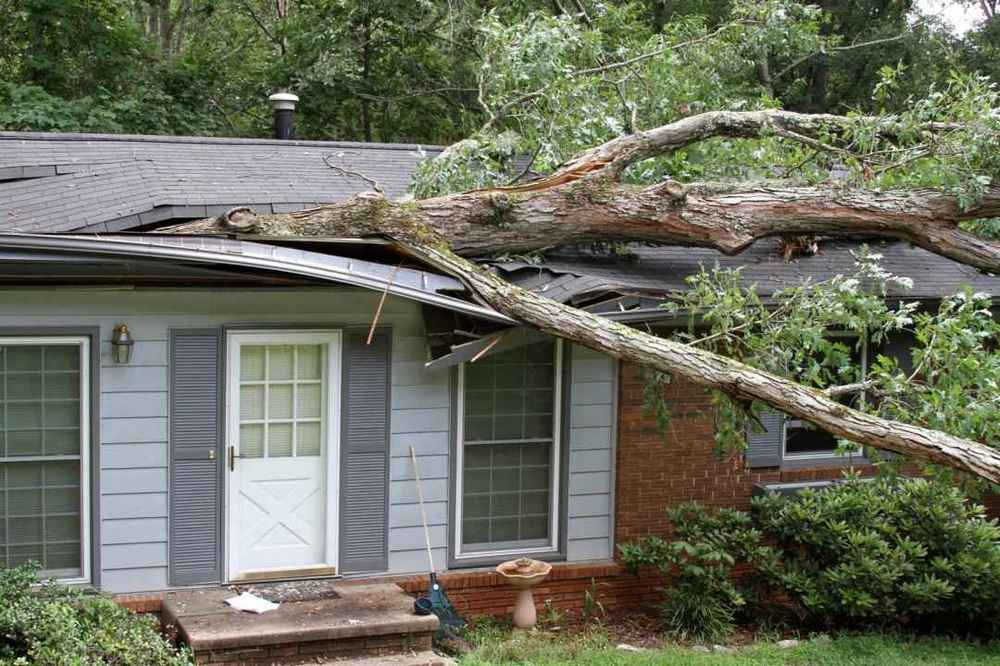
A strong storm rolls through Western North Carolina overnight. The next morning, you walk outside and wonder what just happened to your roof. Was it wind damage roof issues, a hail damage roof situation, or a mix of both?
In places like Shelby, Hickory, and Charlotte, storms often bring wind and hail together. That makes roof damage identification confusing for homeowners. And when insurance is involved, knowing the difference matters.
At Infinity Roofing, we’ve helped neighbors across Western NC sort through every type of storm damage imaginable. Let’s break down what to look for and what to do next.
Key Takeaways
- Wind damage to the roof usually lifts, creases, or removes shingles.
- Hail damage to the roof often leaves impact marks and granule loss.
- A professional inspection confirms accurate roof damage identification and protects your insurance claim.
If you’re unsure what you’re seeing, schedule your free inspection with Infinity Roofing. We’ll take it from there.
What’s The Difference Between a Wind Damaged Roof And Hail Damaged Roof?
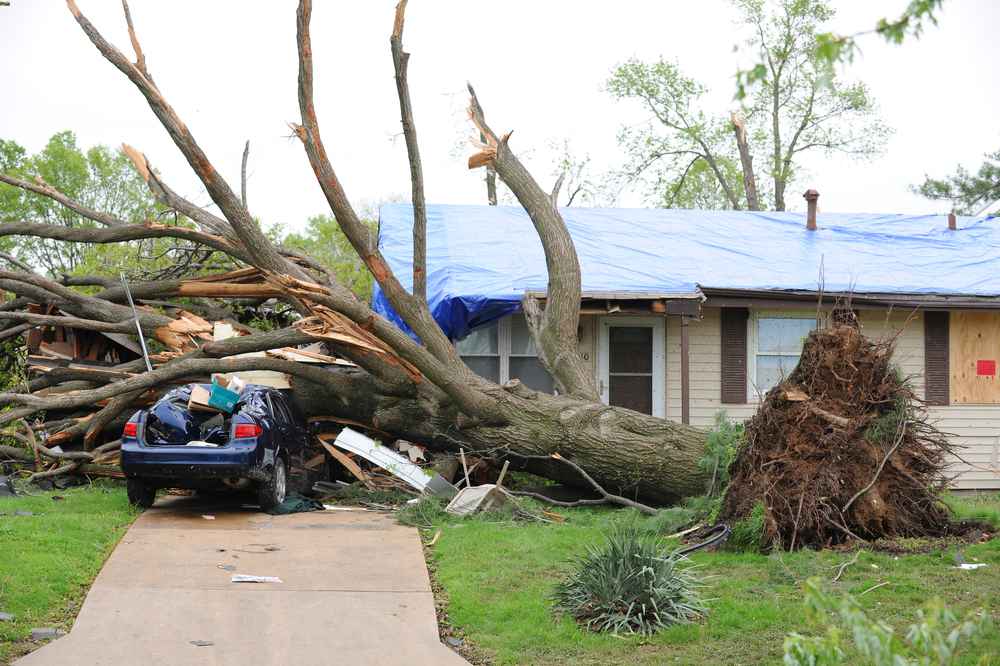
When storms hit Western NC, your roof absorbs the impact. But wind and hail damage roofing materials in very different ways.
Understanding these differences helps you recognize storm roof damage types early and prevents small problems from becoming expensive ones.
How Wind Damage Roof Problems Happen
Wind rarely “punches” your roof. Instead, it lifts and pulls.
Strong gusts get underneath shingle edges and break the adhesive seal that keeps them flat. Even if the shingle doesn’t fly off, that broken seal leaves it vulnerable to future storms.
Common wind damage roof signs include:
- Missing shingles
- Lifted or curled edges
- Horizontal creases across shingles
- Exposed nail heads
- Shingles lying in your yard
Wind damage often appears along ridges, corners, and edges where uplift pressure is strongest.
How Hail Damage Roof Problems Happen
Hail damages your roof through direct impact.
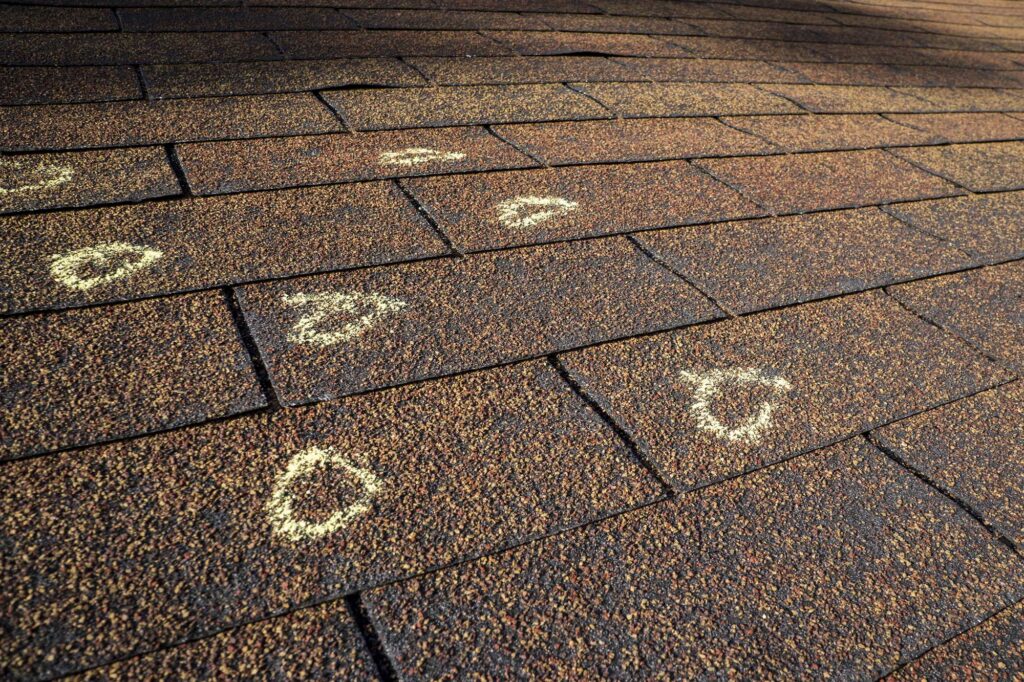
Each hailstone strikes downward, leaving dents or bruises. On asphalt shingles, this may show up as circular dark spots where granules were knocked away.
Common hail damage roof signs include:
- Small round impact marks
- Granule loss (bald spots)
- Soft or “spongy” areas when pressed
- Dents on vents, flashing, or gutters
- Damage concentrated on one storm-facing side
Hail damage can be harder to see from the ground, making proper roof damage identification critical.
How Wind Damage and Hail Damage Affect Western NC Homes
Western North Carolina weather adds a unique layer to these storm roof damage types.
We deal with:
- Quick-moving thunderstorms in Hickory
- Sudden high-wind bursts in Shelby
- Occasional hail events across Charlotte and the surrounding areas
- Heavy rain that follows wind or hail
Why Wind Is So Hard On Aging Roofs
Older shingles dry out over time. When the wind hits, they crack instead of flexing. That’s why wind damage roof issues are more common on roofs over 15 years old.
Once a seal breaks, even moderate wind can lift that same shingle again.
Why Hail Damage Roof Problems Go Unnoticed
Hail damage doesn’t always break shingles immediately. Instead, it weakens them.
Granule loss exposes asphalt to sunlight. Over time, that leads to faster deterioration and shorter lifespan.
You might not notice a leak right away, but months later, you could see ceiling stains. That’s why early roof damage identification matters.
Important Factors To Consider Before Filing A Storm Claim
If you suspect wind damage to the roof or hail damage to the roof, take a moment before contacting insurance.
Here are key things to think through.
1. Budget: What Can You Reasonably Handle Right Now?
Minor lifted shingles might only need repair. Widespread hail damage and roof bruising could require replacement.
Understanding the scope prevents unnecessary stress.
2. Roof Age: How Long Has It Been Installed?
If your roof is near the end of its lifespan, replacement may make more sense than patchwork repairs.
3. Insurance Coverage: What Does Your Policy Say?
Storm roof damage types are often covered, but documentation is essential. A professional inspection strengthens your claim.
4. Safety: Can You Inspect It Safely?
Never climb onto a damaged roof. Roof damage identification should be done safely and professionally.
5. Long-Term Protection: Is This A One-Time Fix?
Broken seals from wind damage or roof issues often lead to repeated problems. Proper repairs prevent future headaches.
Step-By-Step: How To Identify Storm Roof Damage Types
Step 1: Walk The Perimeter
From ground level, look for:
- Shingles in the yard
- Bent gutters
- Debris on roof edges
- Uneven roof lines
Step 2: Check Gutters
Granules in gutters often signal hail damage or roof impact.
Step 3: Look Inside The Attic
Watch for:
- Damp insulation
- Light through the decking
- Water stains
Step 4: Schedule A Professional Inspection
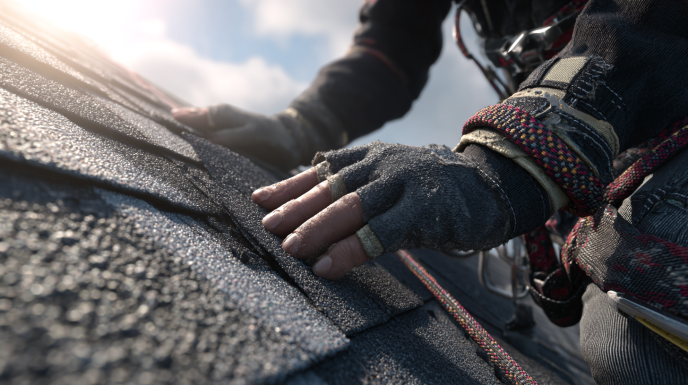
This is the most important step. A trained eye catches lifted shingles and soft impact areas that homeowners miss.
At Infinity Roofing, we provide honest, pressure-free inspections. If it’s repairable, we’ll tell you. If replacement is necessary, we’ll explain why.
The Hidden Risks Of Ignoring Roof Damage Identification
It’s easy to think everything is fine if water isn’t dripping.
Unfortunately, that’s rarely true.
Unrepaired wind damage roof issues can:
- Allow moisture into the decking
- Shorten your roof’s lifespan
- Increase energy bills
- Cause insulation damage
Untreated hail damage roof bruising can:
- Accelerate granule loss
- Lead to cracking
- Reduce impact resistance in future storms
- Cause premature roof aging
What Western NC Homeowners Should Do After A Storm
Here’s a quick checklist:
- Document visible damage
- Avoid climbing on the roof
- Contact a licensed, local contractor
- Get a professional roof damage identification report
- Decide on repair or replacement based on expert guidance
We’re locally owned, not storm chasers. We know Western NC weather patterns and how they affect roofing systems.